

Retirement Planning
Are You Dead? App: A Simple Safety Check-In for People Living Alone in Retirement
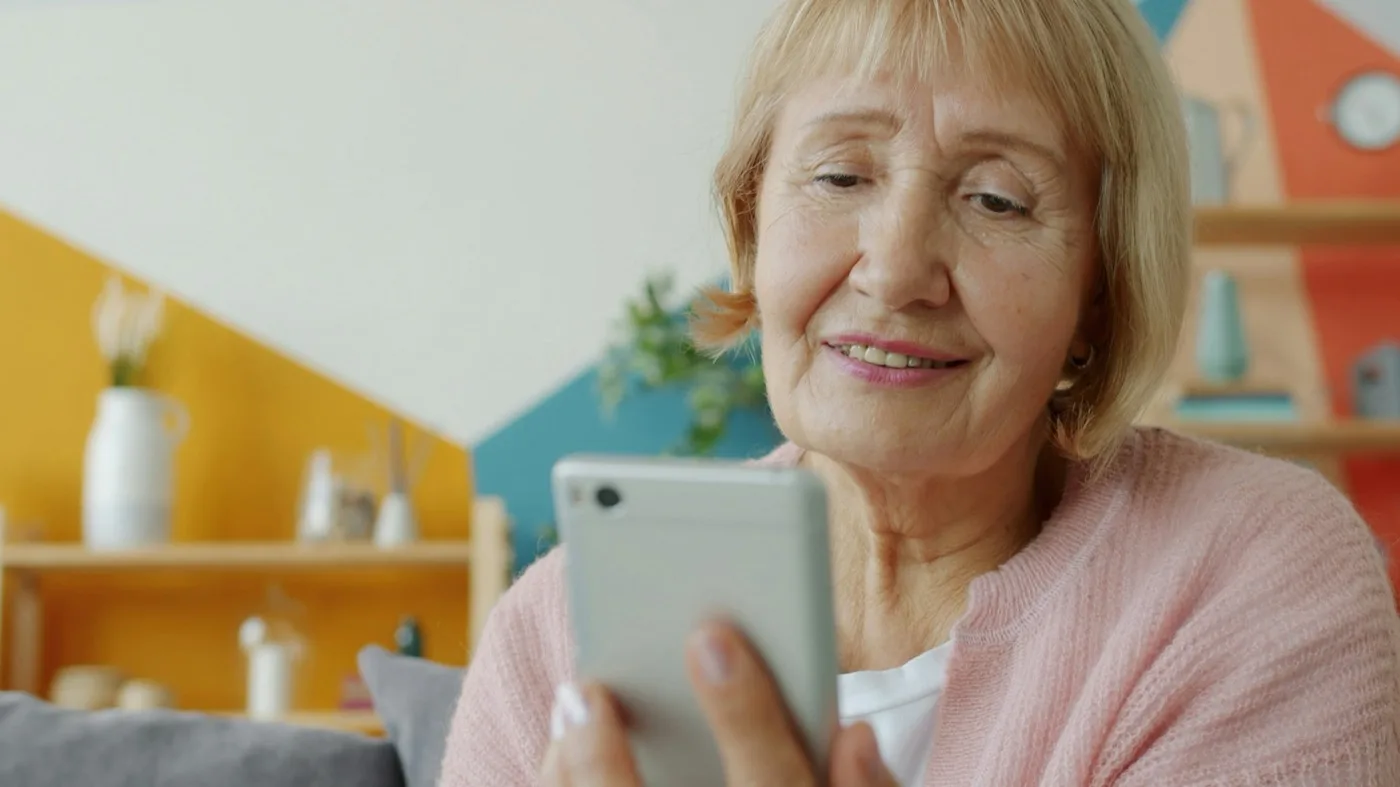
Living alone in retirement offers independence, freedom, and peace. But it also raises an important question:
If something happened to you, how long would it take for someone to know?
A viral app originally called “Are You Dead?” (now known as Demumu) sparked global conversation because of its blunt but practical purpose: making sure someone checks on you if you miss your daily check-in.
It may sound morbid at first — but for retirees living alone, it highlights a very real safety concern.
What Is the “Are You Dead?” App?
Demumu (formerly known as the “Are You Dead?” app) is a simple check-in application designed for people who live alone.
The concept is straightforward:
-
You choose a trusted emergency contact.
-
The app prompts you to check in daily or every few days.
-
If you miss multiple check-ins, your chosen contact receives an alert.
There’s no constant tracking, no complicated setup. It’s simply a digital accountability system.
Why Is This App Relevant for Retirees?
As more adults choose to age in place and maintain independent households, solo living has become increasingly common. While independence is empowering, certain risks increase with age:
-
Higher fall risk
-
Medical emergencies
-
Mobility limitations
-
Delayed response time if no one checks in
For retirees who live alone, a missed phone call might not raise alarms immediately. But multiple missed check-ins can signal that something may be wrong.
That’s where daily accountability systems — whether digital or personal — become valuable.
How Does the Are You Dead App Work?
The app operates on a simple safety principle: confirmation through routine.
-
You receive a reminder to confirm you’re okay.
-
You tap a button to check in.
-
If you fail to check in for a preset number of days, your emergency contact is notified.
It does not replace emergency medical devices, but it provides an added layer of awareness — especially helpful for widows, widowers, and retirees who do not have someone physically present in the home.
Is the App Enough for Senior Safety?
No single system replaces common-sense safety planning.
The app should be viewed as one layer in a broader retirement safety strategy, which may include:
-
Medical alert pendants
-
Smartwatches with fall detection
-
Scheduled family calls
-
Neighbor accountability systems
-
Community wellness programs
Redundancy is protection.
What If You Don’t Like Apps?
Not everyone is comfortable with technology — and that’s perfectly fine.
You can create the same safety net without downloading anything.
Alternative Check-In Strategies
1. Daily Text or Call System
Arrange a morning or evening call with a friend, adult child, or sibling.
2. Neighbor Check-In Agreement
Agree that lights on by a certain hour mean everything is okay.
3. Weekly In-Person Visits
Lunch dates double as safety touchpoints.
4. Faith or Community Groups
Many organizations offer volunteer check-in programs.
The method matters less than the consistency.
How Can Retirees Stay Safe While Living Alone?
Living alone doesn’t mean living unprotected.
Here are foundational safety pillars for aging in place:
-
Establish routine communication
-
Keep emergency contacts easily accessible
-
Install fall-prevention measures in the home
-
Use layered safety tools
-
Inform someone of travel plans
-
Maintain social connection
Independence and safety are not opposites — they support one another.
Key Takeaways
-
Living alone in retirement requires intentional safety planning.
-
The Are You Dead app (Demumu) provides a simple check-in alert system.
-
Missed check-ins notify a trusted contact.
-
Apps are helpful but not mandatory.
-
Human check-ins can be just as effective.
-
Peace of mind is proactive, not fearful.
Frequently Asked Questions
Is the Are You Dead app free?
Basic check-in functionality is available, though features may vary by platform.
Does this replace a medical alert device?
No. It is a delayed alert system, not an emergency response button.
Who should consider using it?
Adults who live alone, especially retirees, solo homeowners, widows, and individuals aging in place.
What if I forget to check in?
Your emergency contact will be notified after a set number of missed confirmations.
Final Thought
Safety planning isn’t pessimistic. It’s responsible.
Whether you choose a check-in app, daily calls with loved ones, or a layered safety strategy, the goal is simple:
Make sure someone would notice if you needed help.
Independence thrives when supported by connection.
Aging in place takes more than just financial planning — it takes intentional design. If staying in your home long-term is important to you, let’s talk about strategies that support both independence and peace of mind.
Have questions about this?
Talk to a Certified Reverse Mortgage Professional — directly.
When you call, you reach me — not a call center. Free 30-minute consult by phone, video, or in person. No SSN, no credit pull, no obligation.
Schedule a consult