

Reverse Mortgage Basics
Find Out When the Best Time to Get a Reverse Mortgage Is

Reverse mortgages can be a valuable financial tool for some individuals, but it’s crucial to understand that they may not suit everyone. Pursuing a reverse mortgage should be well-informed and tailored to individual circumstances. Let’s consider the best time to consider a reverse mortgage, highlighting that this option isn’t for everyone.
A reverse mortgage allows homeowners, typically aged 62 or older, to convert a portion of their home equity into cash without selling their home or taking on additional monthly payments. However, proprietary reverse mortgages are also available for homeowners as young as 55. Essentially, with a reverse mortgage, a lender converts equity into cash to the homeowner based on the home’s value while the homeowner continues to live in and maintain the property. Interest accrues over time, increasing the loan balance, but repayment is generally only required once the homeowner sells the house, permanently moves out, or passes away. This flexibility can provide significant financial relief, but it’s essential to carefully consider all the factors and consequences before proceeding.
FHA HECM, A Short History Lesson: A Benefit for Senior Homeowners
The FHA Home Equity Conversion Mortgage (HECM) was created by a unanimously passed act of Congress in 1988 and signed into law by President Reagan in 1989. This initiative was designed to benefit senior homeowners who have earned it through age and equity accumulation. The FHA HECM allows older adults to leverage their home equity to achieve greater financial security without selling their residences. This federal backing provides additional safeguards and assurances to help seniors make the most of their home equity, ensuring they can enjoy their golden years with more financial stability.
Planning is Key
Regarding reverse mortgages, meticulous planning ensures that this financial tool aligns with your long-term goals. Take the time to assess your financial situation, projected needs, and potential changes in your circumstances. Engaging with a Certified Reverse Mortgage Professional who specializes in reverse mortgages can be immensely beneficial, providing tailored advice that considers the entirety of your financial landscape. Additionally, understanding the various types of reverse mortgages and their respective terms is critical to making an informed decision. Remember, the goal is to enhance your financial security in a way that fits seamlessly with your lifestyle and anticipates the inevitabilities of the future. By planning carefully, you’ll be better equipped to maximize a reverse mortgage’s benefits while avoiding potential pitfalls.
Considerations: Evaluating Your Home and Financial Needs
As you consider a reverse mortgage, it’s essential to evaluate both your current and future income. Understanding whether your present financial situation and projected income can support your needs will guide you in making an informed decision. Reflect on whether your home is a long-term place you plan to stay. Does your home fit your retirement needs, or is it becoming too large to manage comfortably? Consider the age-friendliness of your home—is it easily navigable, or does it require modifications to suit your evolving physical needs?
Proximity to friends and family is another crucial factor. Staying connected with loved ones can significantly impact your quality of life, and living close by can offer practical support. Additionally, assess whether you have the means to maintain your home and support yourself throughout retirement. Factoring in home maintenance and other living expenses is critical to ensure you can comfortably stay home while benefiting from a reverse mortgage.
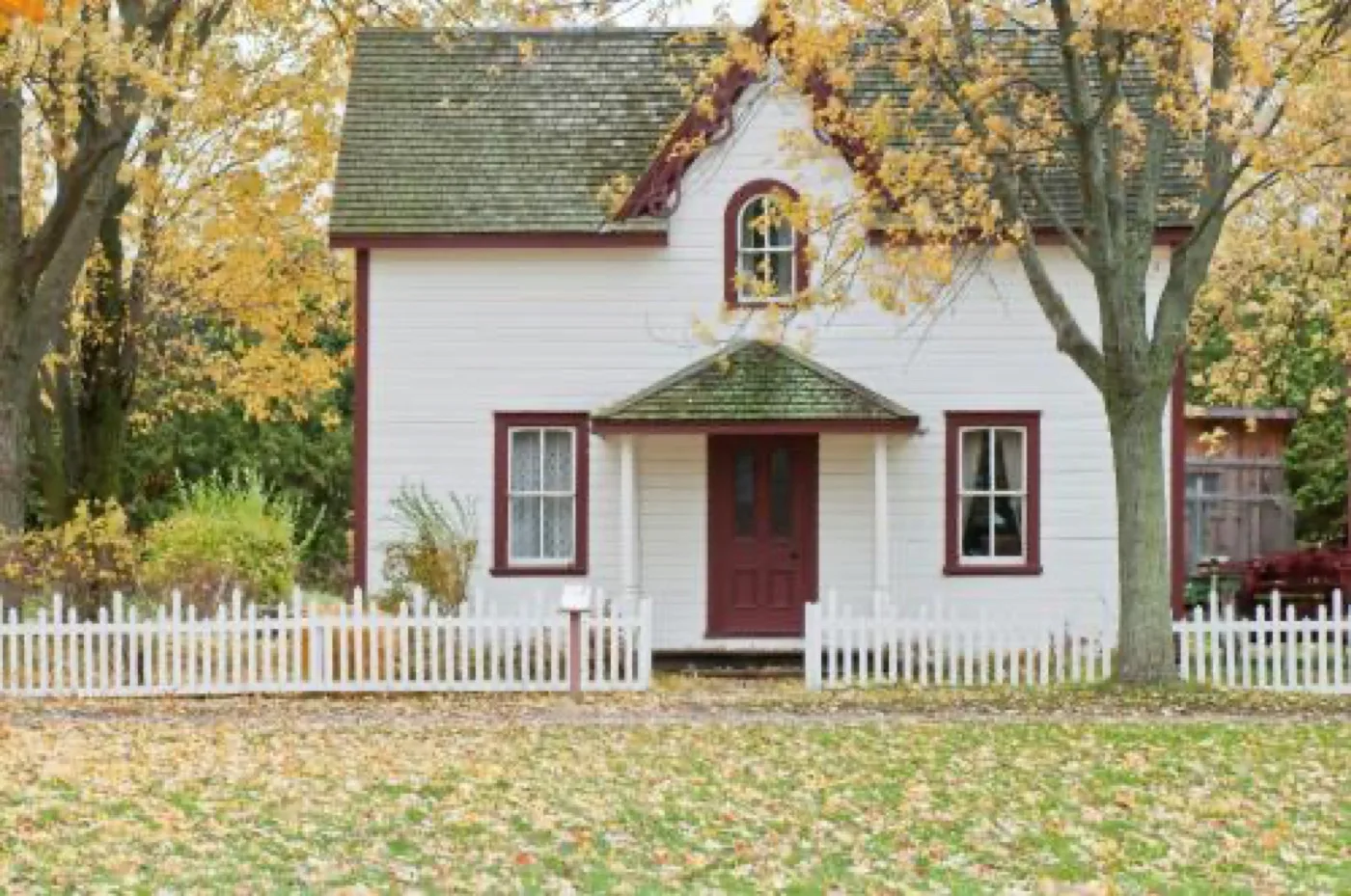 Finances: Tailoring Strategies to Your Unique Situation
Regarding reverse mortgages, various financial strategies must be considered based on your age, retirement income, mortgage balance, and the type of home you own. If you are on the younger side of retirement and have little or no mortgage, implementing a reverse mortgage earlier can significantly boost your retirement cash flow. You can enjoy more flexibility and a comfortable lifestyle with fewer financial burdens.
For those in their 70s or 80s still paying on a traditional mortgage, a reverse mortgage can be a welcome relief by eliminating the requirement for a monthly mortgage payment. This can free up funds for everyday expenses, medical needs, or even travel, enhancing your quality of life.
Furthermore, if you’re in your late 80s and require assistance with daily living, a reverse mortgage could provide the necessary funds to secure in-home care. Ensuring you have the support you need to maintain your independence and well-being is a priority, and a reverse mortgage can help facilitate this care without depleting other resources. By assessing your unique situation and tailoring your approach, you can make the most of your home equity to support a fulfilling and financially secure retirement.
Type of Home or Product
There’s no one-size-fits-all approach regarding reverse mortgages—your type of home is critical in determining the suitable reverse mortgage product for you. For example, a homeowner with a manufactured home will have different requirements and options than someone with a condominium. The structural differences, maintenance needs, and market value all influence the kind of reverse mortgage you may consider.
Moreover, if you own a high-value property worth millions, your reverse mortgage terms and options will differ from those of homeowners of homes valued around the mid $400s. Higher-value homes often qualify for proprietary reverse mortgages, private loans not insured by the FHA, which can provide more substantial loans than the traditional FHA HECM.
Each situation is unique, and it’s crucial to understand how your specific type of home impacts the reverse mortgage products available to you. Consulting with a Certified Reverse Mortgage Professional can help you navigate these options and choose the one that best aligns with your needs and financial goals. By considering your home type, you can ensure your reverse mortgage strategy is perfectly tailored to your situation, allowing you to maximize the benefits while maintaining financial security.
Conclusion
In essence, a reverse mortgage can be a powerful financial tool to enhance your quality of life during retirement, providing the means to remain in your home while enjoying financial security. By understanding your unique situation and carefully evaluating your options, you can make informed decisions that align with your long-term goals. Leveraging your home equity can offer flexibility, financial relief, and peace of mind, making your golden years genuinely fulfilling.
Ready to explore how a reverse mortgage can work for you? Contact Angella Conrard, a Certified Reverse Mortgage Professional, for personalized advice and guidance. With her expertise, you can confidently navigate the complexities of reverse mortgages and uncover the best solutions tailored to your needs. Reach out to Angella Conrard today and take the first step toward a financially secure future!
Have questions about this?
Talk to a Certified Reverse Mortgage Professional — directly.
When you call, you reach me — not a call center. Free 30-minute consult by phone, video, or in person. No SSN, no credit pull, no obligation.
Schedule a consult